

When it comes to weight loss, there’s no one-size-fits-all solution. While many individuals struggle to shed pounds using traditional methods like dieting and exercise, others turn to medical weight loss programs for additional support. However, with any emerging treatment, there are bound to be myths and misconceptions.
Medical weight loss programs, particularly those that include medications like Semaglutide and Tirzepatide, have been gaining popularity in recent years for their effectiveness. But, like with any treatment, misinformation can make people hesitant to try these scientifically backed programs. Let’s take a closer look at some of the most common misconceptions about medical weight loss and clear up any confusion.
Myth #1: Medical Weight Loss Programs Are Just Another Fad Diet
One of the most pervasive myths about medical weight loss programs is that they are just another form of a fad diet. While fad diets promise quick fixes and often leave people feeling deprived, medically supervised weight loss programs are based on scientifically backed research.
Semaglutide, Tirzepatide, and other medications used in weight loss therapy have undergone extensive clinical testing to prove their effectiveness and safety. Studies have shown that these treatments not only help with weight loss but also promote long-term health benefits such as improved metabolism, better blood sugar control, and enhanced cardiovascular health.
The Truth: Medical weight loss programs focus on sustainable, long-term results rather than quick, unsustainable fixes. They are tailored to each individual’s specific needs and are managed under the guidance of healthcare professionals, ensuring safe and effective weight loss.

Myth #2: Medical Weight Loss Programs Have Dangerous Side Effects
Another common misconception is that medical weight loss programs, particularly those involving medications like Semaglutide and Tirzepatide, are dangerous or come with severe side effects. It’s important to note that while any medication can have side effects, the risks associated with these weight loss treatments are minimal when administered under the supervision of a healthcare professional.
For example, Semaglutide and Tirzepatide are both FDA-approved medications, meaning they have undergone rigorous testing to ensure their safety. Common side effects may include mild gastrointestinal discomfort, such as nausea or diarrhea, but these side effects are generally temporary and subside as the body adjusts to the medication.
The Truth: Medical weight loss treatments are safe when used under proper medical supervision. Healthcare providers carefully monitor patients to manage any potential side effects, ensuring that treatments remain both safe and effective.

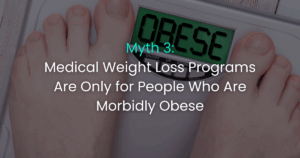
Myth #3: Medical Weight Loss Programs Are Only for People Who Are Morbidly Obese
Many people assume that medical weight loss programs are only appropriate for individuals with extreme obesity or those who are struggling with morbid obesity. However, these programs can benefit individuals with a variety of weight-related concerns, including those who are overweight and at risk of developing health issues like Type 2 diabetes, hypertension, or high cholesterol.
For instance, Tirzepatide has shown remarkable efficacy not just in individuals with morbid obesity but also for those who are overweight and suffering from related health conditions. These medications can help regulate hunger, improve insulin sensitivity, and promote fat loss, regardless of the degree of obesity.
The Truth: Medical weight loss programs are suitable for a wide range of individuals who are struggling with weight management and associated health risks. If you have a BMI of 27 or higher, or if you have conditions like diabetes or hypertension, a medical weight loss program might be a great solution for you.
Myth #4: You’ll Become Dependent on the Medication
Another common misconception is that using weight loss medications like Semaglutide or Tirzepatide will lead to dependency. While it’s true that these medications are typically prescribed for long-term use, the goal of medical weight loss programs is to help you build sustainable habits that will support long-term health even after the medication phase is over.
These medications work by helping to regulate appetite and improve metabolism, making it easier for individuals to lose weight. However, they are only part of a holistic weight loss approach that also includes dietary adjustments, exercise, and lifestyle changes. Once weight loss goals are achieved, many individuals can transition off the medication with the support of their healthcare provider.
The Truth: Medical weight loss programs are designed to help you achieve sustainable weight loss. They are not intended for lifelong dependency on medication. Once you’ve reached your goals, healthcare professionals will guide you through the process of gradually discontinuing medication while maintaining your progress.

Myth #5: Medical Weight Loss Takes Too Long to Show Results
Patience is key when it comes to weight loss, and this is true for medical weight loss programs as well. However, many people assume that the medications involved will take too long to show significant results. In reality, clinical studies have demonstrated that medications like Semaglutide and Tirzepatide can produce noticeable weight loss in a matter of weeks, with some individuals losing up to 15-20% of their body weight.
The key to success in any weight loss program is consistency. When combined with healthy lifestyle changes, such as a balanced diet and regular exercise, medical weight loss medications can lead to faster, more consistent results compared to traditional methods alone.
The Truth: Medical weight loss medications like Semaglutide and Tirzepatide deliver proven results, often more quickly than traditional methods. The key is to stay consistent with your treatment plan and lifestyle adjustments, and you will see significant progress.

Myth #6: Medical Weight Loss Programs Are Only About Medication
While medications like Semaglutide and Tirzepatide are essential components of medical weight loss programs, they are not the only aspect. A comprehensive weight loss program includes nutritional counseling, regular exercise guidance, lifestyle changes, and ongoing medical monitoring to ensure progress and safety. The combination of medication and lifestyle adjustments is what leads to long-term success.
The Truth: Medical weight loss programs focus on the whole person, combining medication with a personalized plan that includes nutrition, exercise, and ongoing support to help you maintain your weight loss goals for life.

Final Thoughts:
Medical weight loss programs offer an evidence-based, comprehensive approach to weight management that addresses the root causes of weight gain and supports sustainable health improvements. With Science proven medications like Semaglutide and Tirzepatide, you can expect safe, effective results under the supervision of healthcare professionals.
If you’re ready to break free from the cycle of fad diets and quick fixes, a medically supervised weight loss program could be the solution you’ve been searching for. Let the experts at Slimmer U RX guide you on your weight loss journey, offering personalized plans tailored to your needs, ensuring safe and sustainable results.
Ready to take the first step toward a healthier you?
Contact Slimmer U RX today and schedule your consultation to learn more about how our medical weight loss programs can help you achieve lasting success.



