
Alcohol and Midlife: What Women Need to Know Now
For women navigating hormonal shifts in their 40s, 50s, and 60s, alcohol often shows up as a nightly ritual — a glass of wine to unwind, a cocktail to connect. But what happens when that same drink starts to hit differently? Maybe it disrupts your sleep. Maybe it fuels next-day anxiety or deepens your hot flashes.
This isn’t your imagination. It’s midlife physiology.
 1. Your Body Processes Alcohol Differently After 40
As estrogen levels decline, your body holds less water. This makes alcohol more concentrated in your bloodstream. Add slower liver metabolism, age-related enzyme changes, and medications, and your tolerance drops. A single glass might now feel like two.
Even moderate drinking can raise your risk for poor sleep, memory fog, and hormone imbalances during this stage of life.
📖 Source: National Institute on Alcohol Abuse and Alcoholism (NIAAA), “Alcohol and Aging”

2. Alcohol Can Worsen Menopausal Symptoms
Hot flashes. Mood swings. Insomnia. Alcohol can make every one of them more intense. It suppresses REM sleep, spikes core body temperature, and interferes with hormone regulation.
For many women, just one drink is enough to trigger night sweats or restless sleep — especially if consumed later in the evening.
📖 Source: Menopause Journal, 2022 study on alcohol’s effects on vasomotor symptoms
3. The Health Risks Are Real — and Higher Than You Think
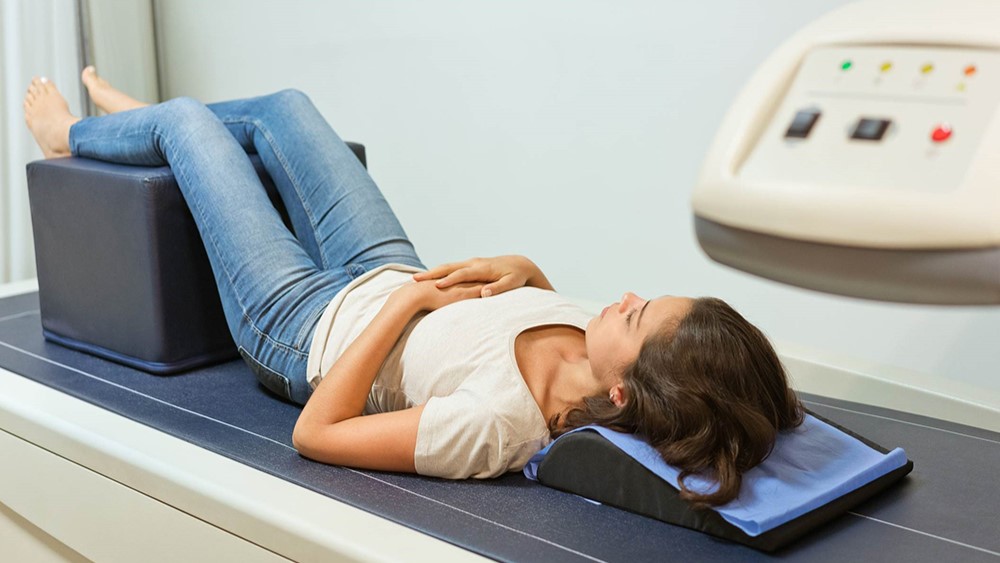
The old belief that red wine is heart-healthy? It’s been overturned. Current data shows that even low to moderate alcohol use raises the risk of seven types of cancer, including breast and colorectal. It can also slow muscle recovery, weaken bones, and contribute to fatty liver disease — conditions women become more vulnerable to in midlife.
📖 Source: World Health Organization (WHO), “No Level of Alcohol Consumption Is Safe” (2023)
 4. Women Over 40 Are Drinking More — and Feeling It
Recent surveys show an alarming trend: women in midlife are drinking more than previous generations. The reasons are complex — stress, loneliness, identity loss, or just trying to cope with the pace of life. But the result is often the opposite of what’s intended: more anxiety, irritability, and deep fatigue.
📖 Source: JAMA Network, 2020 study on alcohol use among women aged 40+

5. You Don’t Have to Quit Completely to Make a Change
You don’t need to stop drinking forever to feel better. You just need to get curious about your relationship with alcohol. Try gentle, science-backed tweaks:
- Eat protein and healthy fats before drinking
- Stick to earlier evening hours
- Hydrate between drinks
- Sip more slowly
- Notice how different drinks affect you
- Choose more alcohol-free days during the week
Small shifts often create the biggest changes.
 Gentle Adjustments = Real Transformation
At Slimmer U Rx, we never promote all-or-nothing thinking. Your health is a mosaic — alcohol is one tile in the broader picture of hormone balance, nervous system support, and metabolic reset.
That’s where we come in.
💠 GLP-1 Injections to regulate appetite and blood sugar
💠 Tesofensine Capsules for mood, energy, and cravings
💠 Personalized coaching that honors your biology and your season of life
💠 A supportive, luxury-level experience to guide your transformation
✨ Feel like yourself again — but better.
Our clients often say, “I didn’t realize how much alcohol was affecting me — until I felt the difference.”
 👉 Ready to understand what’s happening in your body?
Join our free Midlife Mastery Reset Workshop.
A grounded, judgment-free space where you’ll learn what’s normal, what’s not, and what helps.
Your body transformation starts here.
#RetatrutideResults #WeightLossTips #ObesityHelp #HealthGoals #TransformationJourney #glp1 #weightlossjourney #glp1community #fatloss #weightlossstory #beforeandafter #weightloss #weightlossgoals #mounjaroweightloss #weightlosstransformation #reels #glpcommunity #lifestyle #fitness #peptides #explorepage #explore #reels



